

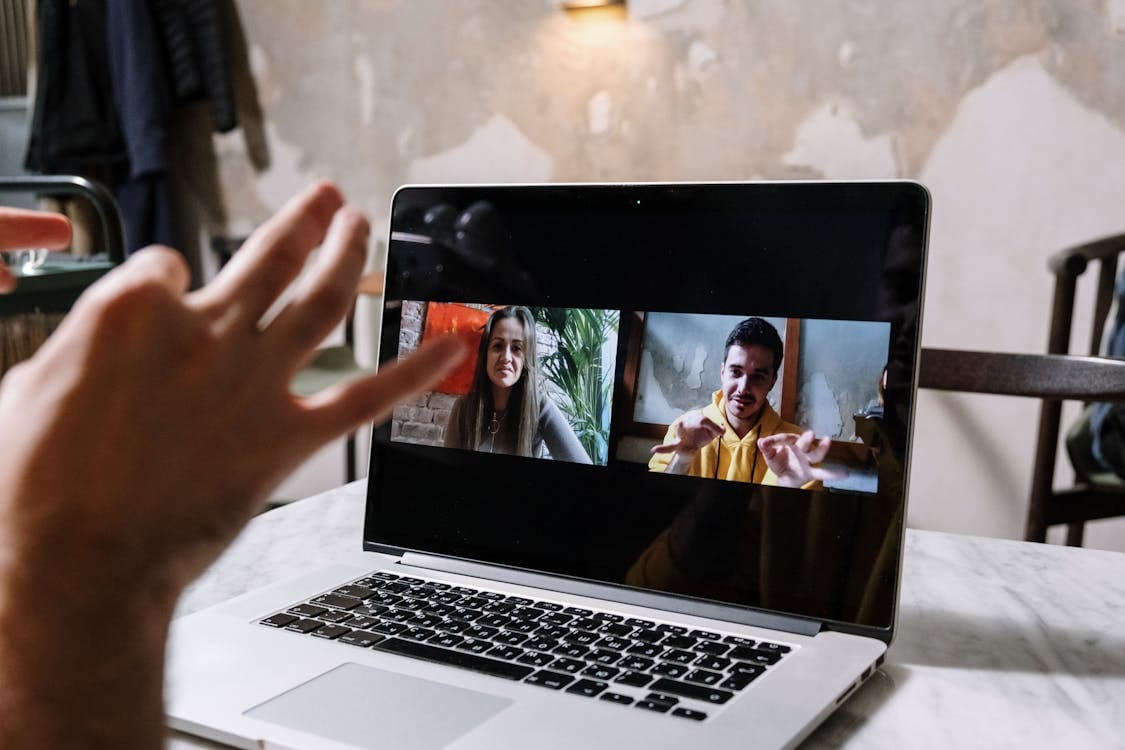
Managing performance in a distributed team requires a different approach than office-based evaluation — and most organizations have not updated their practices to reflect this. Remote performance management fails when managers rely on visibility as a proxy for productivity, when feedback is delayed because there is no natural moment to deliver it, and when distributed employees are evaluated against office-based norms they cannot meet. Here is how to build a system that is fair, effective, and designed for the reality of remote work.
What Is Remote Performance Management?
Remote performance management is the practice of setting goals, providing feedback, evaluating performance, and supporting development for employees who work outside a shared physical office — whether fully remote, hybrid, or distributed across multiple time zones. It requires deliberate design of the touchpoints, documentation, and evaluation criteria that office environments provide informally, replacing proximity-based management with outcome-based systems.
Why Traditional Performance Management Fails Remote Teams
Office-based performance management relies heavily on passive observation: managers see who arrives early, who stays late, who collaborates visibly, and who seems engaged. Remote work strips these proxies away — exposing them for what they always were: unreliable substitutes for actual performance data. McKinsey’s Future of Work research found that employees working remotely report lower clarity about performance expectations and less frequent developmental feedback than their in-office counterparts — even when their actual output is equivalent or higher.
The Foundation: Outcome-Based Goal Setting
The single most important shift in remote performance management is moving from activity-based assessment (“Are they online? Are they responding quickly?”) to outcome-based assessment (“Did they achieve what they committed to? Was the quality of their output what was expected?”). This requires explicitly defined goals — OKRs or clear deliverables — for every role. A remote employee without clear outcome targets is unmanageable and inevitably evaluated on proxies like responsiveness or virtual meeting participation. Connect your remote goal-setting to a consistent employee goal-setting process that works regardless of location.
Structuring Feedback for Distributed Teams
Weekly 1:1s Are Non-Negotiable
In an office, managers and employees share informal moments — hallway conversations, lunch, overhearing a call. These micro-feedback moments don’t exist remotely. Weekly 1:1s become the primary feedback channel and must be protected, structured, and used for developmental conversation rather than status updates. Build your continuous feedback culture around these structured touchpoints.
Document More Than You Think You Need To
In remote environments, undocumented feedback disappears. Written notes from 1:1s, brief Slack messages acknowledging specific contributions, and documented performance observations create the evidence base needed for fair annual reviews — and protect both manager and employee if a performance dispute arises.
Give Feedback Within 48 Hours of Relevant Events
Remote feedback latency is a real problem. Without a natural moment to pull someone aside, feedback gets delayed and loses its impact. Build the habbit of sending a brief written note — even two sentences — within 48 hours of a project completion, a difficult client call, or a significant decision.
Fair Evaluation of Remote Employees
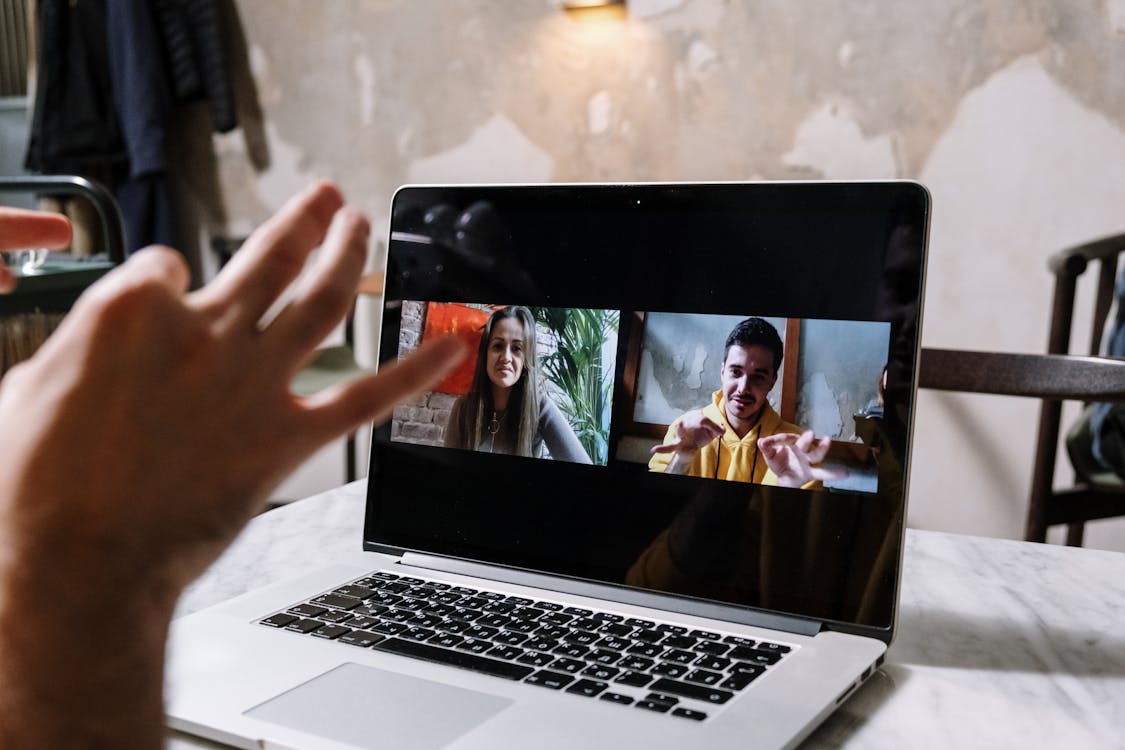
The most dangerous bias in remote performance management is proximity bias — evaluating in-office or hybrid employees more favorably than fully remote employees because they are more visible. Counter this by:
- Using the same competency-based review framework for all employees regardless of location
- Basing ratings on documented evidence — outputs, outcomes, behavioral observations — not impressions of presence
- Including remote employees equally in calibration sessions and succession planning conversations
- Actively seeking peer input from colleagues who work with the remote employee directly
Frequently Asked Questions About Remote Performance Management
How do you measure productivity for remote employees?
What is proximity bias and how does it affect remote performance reviews?
How often should remote employees have formal performance check-ins?
Key Takeaways
Effective remote performance management is built on outcome-based goals, structured feedback touchpoints, documented observations, and explicit bias checks that prevent proximity from substituting for performance evidence. The same standards of fairness and rigor that apply to in-office employees apply to remote ones — the infrastructure for delivering them just needs to be more deliberately designed.